
A chipped tooth can feel alarming, especially when it happens suddenly while eating, playing sports, grinding your teeth, or biting something hard. The good news is that modern dentistry offers several highly effective repair options, and the right choice depends on the size of the chip, the tooth involved, your bite, your cosmetic goals, and whether the tooth is painful or structurally weakened.
For many patients, the biggest question is whether a chipped tooth needs bonding, a veneer, a filling, or a crown. Each option solves a different type of problem. Understanding how dentists make that decision can help you feel more confident, ask better questions, and protect your smile for the long term.
What to do immediately after a tooth chips
If you chip a tooth, try to stay calm and look at the area in a mirror. A small enamel chip may feel rough but cause little or no pain. A deeper break may expose dentin or, in severe cases, the nerve tissue inside the tooth. Sensitivity to cold, heat, sweets, or air can be a sign that the inner layers are involved. Pain when biting may suggest a crack that extends farther than what you can see.
Rinse gently with warm water to clean the area. If there is bleeding from your lip, gum, or cheek, apply light pressure with clean gauze. If you can find the broken piece, place it in a small container and bring it to your dental appointment. Your dentist may or may not be able to use it, but it can help them understand the fracture pattern. For general guidance on urgent dental situations, MedlinePlus offers helpful information on tooth emergency first aid.
Avoid chewing on the chipped tooth until it is evaluated. If the edge is sharp, orthodontic wax or sugarless gum can temporarily cover it and protect your tongue or cheek. Over-the-counter pain relievers may help if you can take them safely, but they are not a substitute for dental care. Even a chip that looks minor can create a rough plaque trap, irritate soft tissue, or become more vulnerable to future fracture.
How dentists evaluate the best repair option
A dentist does more than simply look at the missing piece. They examine the tooth under bright light, check the surrounding gum tissue, test sensitivity, evaluate the bite, and often take an X-ray. The goal is to determine whether the chip is limited to enamel, extends into dentin, weakens a cusp, or is associated with a deeper crack in the tooth root.
Location matters. A tiny chip on the edge of a front tooth is usually treated differently from a broken chewing cusp on a molar. Front teeth have major cosmetic importance and are exposed when you smile and speak. Back teeth must withstand heavy chewing forces, so strength becomes a bigger priority. A repair that looks beautiful but cannot handle your bite may fail prematurely.
Your dentist will also consider habits and risk factors. Teeth that chip repeatedly may be affected by nighttime grinding, an uneven bite, acid erosion, large old fillings, or previous dental trauma. If the cause is not addressed, even a well-done repair can chip again. In some cases, a nightguard, bite adjustment, fluoride treatment, or replacement of a failing restoration may be part of the overall plan.
Dental bonding for small to moderate chips
Dental bonding is one of the most common solutions for a chipped front tooth. It uses tooth-colored composite resin, the same general material used for many white fillings. The dentist lightly prepares the surface, applies a conditioning gel, places adhesive, shapes the resin, hardens it with a curing light, and polishes it so it blends with the natural tooth.

Bonding is especially useful when the chip is small, the tooth is otherwise healthy, and the patient wants a conservative repair. In many cases, little to no natural tooth structure must be removed. The appointment is often completed in one visit, and anesthesia may not be needed if the chip is shallow. Bonding can also close tiny gaps, smooth uneven edges, and improve minor shape irregularities.
Advantages of bonding
The biggest benefits of bonding are speed, affordability, and conservation of tooth structure. The dentist can match the shade closely, sculpt the missing corner, and polish the repair to a natural shine. For children, teens, or adults who want a simple cosmetic fix, bonding is often an excellent first choice.
Bonding is also repairable. If a small piece chips or stains over time, the dentist can often add new composite or polish the surface. This makes it a practical option for patients who are not ready for porcelain restorations or whose teeth and gums are still changing.
Limitations of bonding
Composite bonding is not as strong or stain-resistant as porcelain. It can discolor from coffee, tea, red wine, tobacco, or highly pigmented foods, especially if oral hygiene is inconsistent. It can also chip if the bonded edge is thin, if the patient bites fingernails, chews ice, opens packages with teeth, or grinds at night.
Bonding can last several years, but longevity varies widely. A tiny repair in a low-stress area may last a long time, while a large bonded corner on a front tooth may need maintenance sooner. Patients who choose bonding should view it as a conservative, beautiful, and practical repair, but not necessarily a permanent one.
Fillings when the chip affects a chewing surface
When a chip occurs on a back tooth or on a non-cosmetic part of a tooth, a filling may be the most appropriate repair. A dental filling replaces missing tooth structure and restores shape, function, and comfort. Tooth-colored composite is commonly used, though other materials may be considered depending on the tooth, size of the defect, and patient needs.
A filling is often recommended when the chipped area is associated with decay, an old broken restoration, or a small fractured portion of a molar or premolar. The dentist removes any weakened enamel, decay, or failing filling material, then rebuilds the area. The restoration must be shaped carefully so the opposing tooth meets it properly during chewing.
One key difference between bonding and a filling is purpose. Bonding on a front tooth is often cosmetic and structural at the same time, while a filling on a back tooth is primarily functional. It needs to seal the tooth, prevent food from packing into the area, and withstand chewing pressure. If too much tooth structure is missing, however, a standard filling may not be strong enough.
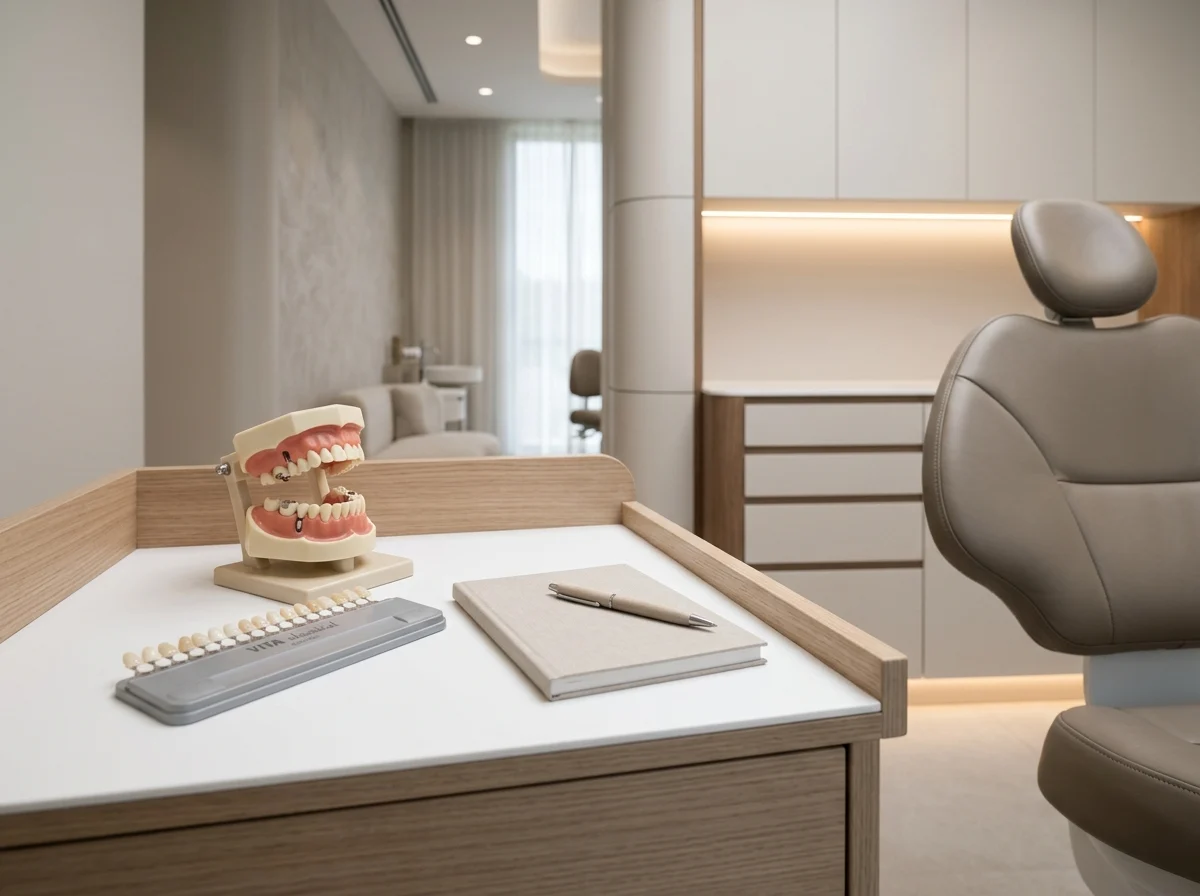
Large fillings can sometimes act like wedges inside a tooth. When the remaining walls are thin, biting forces can flex them and increase the risk of a larger fracture. That is why a dentist may recommend an onlay or crown instead of simply placing a bigger filling. The goal is not to overtreat the tooth, but to prevent a small break from becoming a serious one.
Porcelain veneers for visible chips and smile design
A porcelain veneer is a thin custom-made shell that covers the front surface of a tooth. Veneers are often used for front teeth with chips, worn edges, discoloration, uneven shape, or minor spacing. They can create a highly natural appearance because porcelain reflects light in a way that resembles enamel. For patients interested in cosmetic dentistry, veneers can be a transformative option.
Veneers are most appropriate when the chip affects the visible surface of a front tooth and the patient wants a more durable cosmetic upgrade than bonding. They may also be recommended when bonding would be too large, too likely to stain, or too difficult to blend perfectly. The Cleveland Clinic provides a useful overview of dental veneers for patients comparing cosmetic options.
The veneer process usually requires careful planning. Your dentist may take photos, scan or impress the teeth, and discuss shade, length, symmetry, and how the repaired tooth should fit with the rest of your smile. Some veneers require minimal enamel reshaping, while others need more preparation to create room for porcelain. Once bonded, veneers are strong and stain-resistant, but they still require thoughtful care and should not be used to bite hard objects.
When a crown is the strongest choice
A crown covers the entire visible portion of the tooth, making it the most protective option for a significant chip, broken cusp, cracked tooth, or tooth with a very large existing filling. Crowns are often recommended when the remaining tooth structure cannot predictably support a filling or bonding alone.
Unlike bonding or veneers, a crown changes the way forces are distributed across the whole tooth. This can help prevent further fracture and restore chewing strength. If pain, deep decay, or nerve involvement is present, root canal treatment may be needed before the crown. The American Dental Association explains more about dental crowns and their role in restoring damaged teeth.
Choosing the repair that protects your smile
The best repair is the one that matches the damage. Small cosmetic chips often do well with bonding. Chips involving cavities or chewing surfaces may need fillings. Larger visible defects may be better served by veneers.
If you chip a tooth, do not judge the severity by appearance alone. A prompt dental exam can identify hidden cracks, protect the nerve, and help you choose a repair that looks natural, feels comfortable, and lasts as long as possible.
Need help with Chipped Tooth Repair: Bonding, Veneers, Filling, or Crown??