
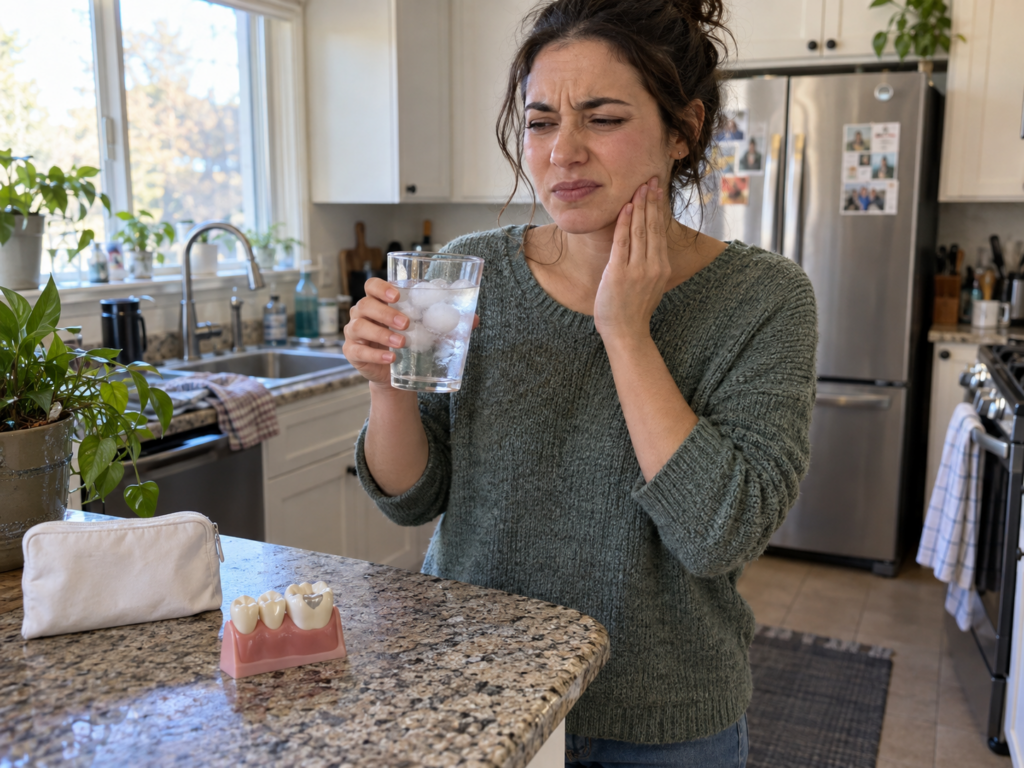
A sip of cold water or a bite of food can feel different after a filling. If you expected the tooth to feel normal immediately, that new sensation may leave you wondering whether something went wrong.
Tooth sensitivity after a filling can happen because the tissue inside the tooth is temporarily irritated. Sometimes, the filling needs a bite adjustment, or another dental problem needs attention. The trigger, duration, and pattern of your symptoms help your dentist decide what to check.
At Dental Professionals of Dardenne, we want you to feel comfortable asking questions after treatment. Here is how to recognize changes worth reporting and understand the next steps.
Why Can a Tooth Feel Sensitive After a Filling?
A tooth contains more than its hard outer surface. Beneath the enamel is dentin, and inside the tooth is the pulp, which contains nerves and blood vessels.
Dental treatment can temporarily irritate the pulp. This may produce a brief response to temperature even after the damaged area has been restored.
A tooth with deeper decay may also have been irritated before treatment. Placing a filling repairs the affected area, but it does not guarantee that the pulp will recover. Your dentist considers the tooth’s original condition as well as its response afterward.
We provide tooth-colored fillings to restore suitable areas of decay or damage. Whether the filling is small or extensive, new symptoms should be assessed in the context of the individual tooth.
Brief Sensitivity and Lingering Pain Are Different
The word “sensitive” can describe several experiences. Explaining yours clearly helps the dental team understand the concern.
Brief Reactions to Temperature
You might feel a quick sensation when cold water touches the tooth, followed by relief after the trigger is removed. A mild reaction that becomes less noticeable over time can fit a temporary response to treatment.
Pain That Continues or Starts on Its Own
Pain that lingers after the drink is gone, occurs without a trigger, or wakes you from sleep deserves prompt dental attention. These patterns can suggest a problem beyond temporary sensitivity.
They do not establish a diagnosis by themselves. Tell your dentist what happens rather than assuming the tooth needs a particular treatment.
Why Does My Tooth Hurt When I Bite?
If the restored tooth seems to touch first when you close your mouth, the filling may be interfering with your bite. That contact can place extra pressure on the tooth and make chewing uncomfortable.
A dentist can check the contact points and adjust the restoration if needed. Avoid trying to file or reshape the filling yourself.
However, biting pain does not always mean a filling is too high. A crack, a loose restoration, or a problem involving the pulp may also contribute.
Call the office when your bite feels uneven or chewing causes sharp discomfort. This is different from a brief cold response and should not simply be dismissed as the tooth “getting used to” the filling.
How Long Does Sensitivity Last After a Filling?
Mild sensitivity may improve over several days to a few weeks. There is no guaranteed timeline because the depth of treatment, the tooth’s previous condition, and the cause of the symptoms vary.
The trend matters: a tooth that reacts briefly and progressively less often is different from one that becomes more painful.
If sensitivity is not improving, contact your dentist for advice. Follow any specific monitoring instructions you received after treatment.
Do not wait several weeks when pain is worsening, your bite feels wrong, or symptoms interfere with eating or sleeping. An expected settling period is not a reason to postpone evaluation of concerning changes.
What Will Your Dentist Check?
A follow-up visit is intended to identify the cause before deciding on treatment. Useful details include:
- When the symptoms started.
- Whether cold, heat, sweets, or chewing trigger them.
- How long each episode lasts.
- Whether the tooth hurts without stimulation.
- Whether the symptoms are improving or worsening.
- Whether your bite feels different.
You could describe a symptom as, “Cold water causes a quick sting,” or, “The tooth hurts every time I chew, and the ache continues afterward.” Those descriptions are more helpful than simply saying the tooth feels strange.
Depending on the findings, the dentist may examine the filling and surrounding tooth, check your bite, assess the tooth’s response to testing, or recommend X-rays.
What Treatment Might Be Needed?
The recommendation depends on the examination rather than sensitivity alone.
If the findings support a temporary response, your dentist may recommend monitoring and home-care guidance. If a bite contact is contributing, an adjustment may be appropriate. A damaged or unsuitable restoration may require repair or replacement.
A crack or pulp-related problem needs a different assessment. The dentist will explain what was found, which options are appropriate, and whether further evaluation is needed.
Before leaving, ask what improvement to look for, when to follow up, and which symptoms should prompt an earlier call. Having a clear plan can make it easier to manage uncertainty without repeatedly testing the tooth.
Does Sensitivity Mean I Need a Root Canal?
No. Sensitivity after a filling does not automatically mean that root canal therapy is needed.
That treatment may be recommended when the pulp is infected or has inflammation that cannot heal. The decision requires clinical evaluation, including the symptoms, examination findings, and appropriate tests.
A tooth needing a bite adjustment and a tooth with a pulp problem can both feel uncomfortable, but their treatment needs are different.
Keep an open discussion with your dentist about what the findings mean. If additional treatment is recommended, ask why it is appropriate for your tooth and what alternatives are available.
What Can You Do While Waiting for Advice?
Follow your dentist’s instructions and avoid repeatedly exposing the tooth to something that hurts.
- Choose comfortable temperatures. Temporarily avoid very hot or cold drinks if they trigger symptoms.
- Brush gently. Use a soft toothbrush and fluoride toothpaste rather than scrubbing the sensitive area.
- Continue cleaning between your teeth. Ask for guidance if this causes discomfort around the restoration.
- Ask about sensitivity toothpaste. It may help certain causes of sensitivity, but it cannot correct an uneven bite or replace an examination.
- Discuss pain relief when needed. Follow your clinician’s advice and medication labels, especially if you have medical conditions or take other medicines.
These measures support comfort while you obtain advice. They should not become a substitute for care when symptoms persist or worsen.
When Does Tooth Pain Need Urgent Attention?
Contact a dentist promptly for severe or worsening pain, pain that lingers after temperature changes, or difficulty eating or sleeping.
Swelling, fever, or a broken filling also warrants urgent dental contact. When contacting our team for emergency dentistry, describe your symptoms so we can advise you about next steps.
If swelling causes difficulty breathing or swallowing, seek emergency medical care immediately rather than waiting for a dental appointment.
Frequently Asked Questions
Is cold sensitivity after a filling always normal?
No. A brief, mild reaction can occur after treatment, but worsening or lingering pain should be evaluated. Whether it is an expected response depends on the tooth and the examination findings.
Can a filling be too high even if my bite was checked?
Yes. If the tooth seems to contact first or chewing feels uncomfortable after the appointment, tell your dentist. A follow-up bite check can determine whether an adjustment or a different evaluation is needed.
Can sensitivity toothpaste fix the problem?
It may help some forms of sensitivity, but the cause matters. It does not adjust a filling or treat an infection inside the tooth. Ask your dentist whether it is appropriate for your symptoms.
Should I keep waiting if my tooth still hurts?
Contact your dentist if symptoms are not improving or you are unsure what to expect. Seek earlier attention for sharp biting pain, worsening discomfort, swelling, or pain that disrupts eating or sleep.
Get Help With Sensitivity After a Filling in Dardenne Prairie
You do not have to determine the cause on your own. Whether your tooth briefly reacts to cold or hurts when you chew, clear communication helps us understand what needs attention.
At Dental Professionals of Dardenne in Dardenne Prairie, MO, we listen to your concerns, explain the findings, and discuss care based on your individual needs.
Contact our dental office to discuss symptoms after a filling and find out whether a follow-up evaluation is appropriate.