
Dental crowns are designed to restore strength, function, and appearance to teeth that have been weakened by decay, fractures, or other damage. They’re durable restorations that can last for many years, but like natural teeth, crowns experience daily wear and are not intended to last forever.
Many patients wonder how they’ll know when it’s time to replace a crown. While some crowns continue to function well for decades, others may eventually show signs of wear or develop problems that require attention.
Understanding what to watch for can help you protect both your crown and the tooth underneath it.
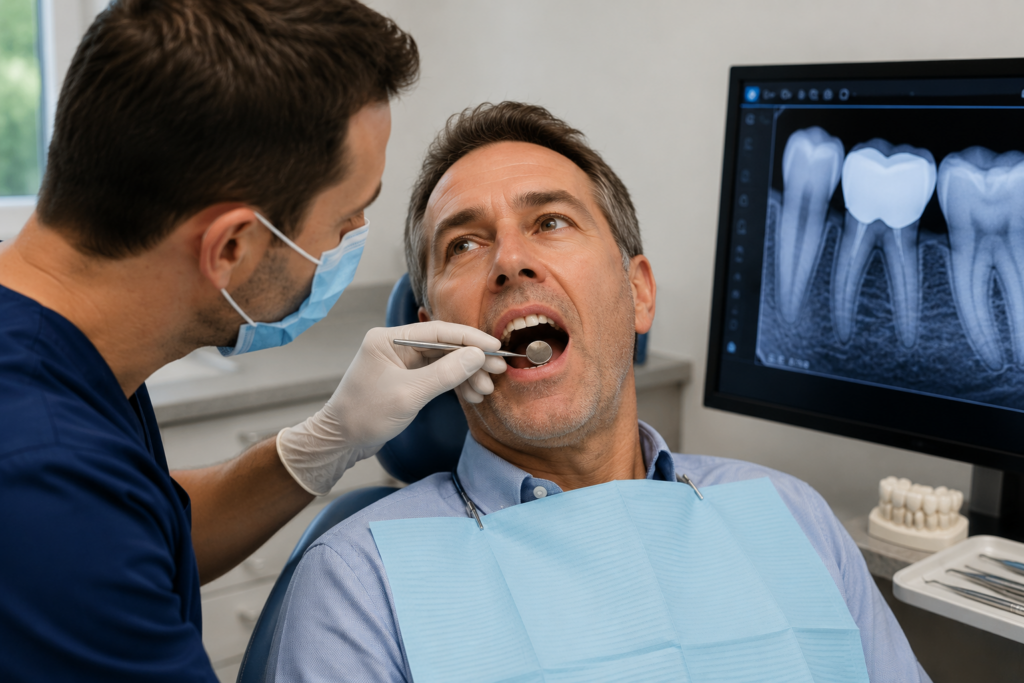
How Long Do Dental Crowns Typically Last?
There’s no set expiration date for a dental crown. Its lifespan depends on several factors, including:
- The material used to create the crown
- Daily oral hygiene habits
- Normal wear from chewing
- Teeth grinding or clenching
- The health of the underlying tooth
- Regular preventive dental care
With proper care and routine dental visits, many crowns remain functional for many years. During regular checkups, your dentist can monitor the condition of both the crown and the supporting tooth to determine whether everything remains healthy.
Signs Your Dental Crown May Need to Be Replaced
A crown doesn’t always need replacement simply because it’s old. Instead, your dentist looks for specific signs that the restoration may no longer be protecting the tooth effectively.
Some common signs include:
The Crown Feels Loose
A crown should fit securely over your tooth. If it begins to feel loose or shifts when you bite, it may no longer be providing the protection your tooth needs.
A loose crown should be evaluated promptly to prevent additional damage or bacteria from reaching the underlying tooth.
Visible Damage or Wear
Although dental crowns are made from durable materials, they can sometimes become chipped, cracked, or worn over time.
Even small areas of damage may affect how the crown functions or expose the tooth underneath, making a professional evaluation important.
Pain or Sensitivity
New sensitivity around a crowned tooth doesn’t always mean the crown itself has failed, but it can indicate changes affecting the underlying tooth or surrounding tissues.
If you experience discomfort when chewing or sensitivity to hot or cold, it’s a good idea to schedule a dental examination.
Changes Around the Gumline
Sometimes decay can develop near the edge of a crown where it meets the natural tooth.
Your dentist may recommend replacing the crown if decay, gaps, or changes in the fit of the restoration are affecting the long-term health of the tooth.
Why Regular Dental Exams Matter
Many problems involving dental crowns develop gradually and may not be noticeable at first.
Routine dental visits allow your dentist to:
- Evaluate the condition of existing crowns
- Check the supporting tooth for decay
- Monitor your bite
- Assess your gum health
- Identify concerns before they become larger problems
Regular preventive care often allows small issues to be addressed before they require more extensive treatment.
What Happens If a Crown Needs Replacement?
If your dentist determines that a crown should be replaced, the next steps depend on the condition of the tooth underneath.
In many cases, the old crown can be removed, the tooth evaluated, and a new crown created to restore protection and function. If additional treatment is needed, your dentist will explain your options and develop a personalized treatment plan based on your individual needs.
Because every smile is different, replacement recommendations are never based on age alone; they’re based on the overall health of your tooth and surrounding structures.
Can You Help a Crown Last Longer?
While no dental restoration lasts forever, healthy habits can help extend the life of your crown.
You can help protect your crown by:
- Brushing twice a day with fluoride toothpaste
- Flossing daily around the crown
- Avoiding chewing on hard objects like ice
- Wearing a mouth guard if you grind your teeth
- Keeping up with routine dental checkups and cleanings
These habits also help protect the natural tooth beneath the crown.
Personalized Care for Your Long-Term Oral Health
At Dental Professionals of Dardenne, we believe exceptional dentistry begins with listening to our patients and building lasting relationships. Whether you’re concerned about an older dental crown or simply want to stay proactive about your oral health, our team is here to provide personalized guidance based on your individual needs.
If you have a dental crown that’s become loose, damaged, or uncomfortable ,or it’s simply been many years since it was placed, contact Dental Professionals of Dardenne to schedule an evaluation. Together, we’ll help you determine the best way to protect your smile for years to come.
Frequently Asked Questions
How long does a dental crown usually last?
Many dental crowns last for many years with proper care, but there is no set lifespan. Factors such as oral hygiene, the material used, daily wear, teeth grinding, and the health of the underlying tooth all influence how long a crown remains functional. Regular dental exams help monitor its condition over time.
How can I tell if my dental crown needs to be replaced?
Some common signs include a loose crown, visible chips or cracks, pain or sensitivity, changes around the gumline, or a crown that no longer fits properly. If you notice any of these issues, it’s important to schedule a dental evaluation rather than waiting for the problem to worsen.
Can a loose dental crown be repaired?
Sometimes a loose crown can be re-cemented, while other situations require replacement. The best option depends on why the crown became loose and whether the crown and underlying tooth remain in good condition. Your dentist will determine the most appropriate treatment after an examination.
Should an old dental crown be replaced even if it doesn’t hurt?
Not necessarily. A crown doesn’t need replacement simply because it’s been in place for many years. If it continues to fit well and protects the tooth effectively, it may not require treatment. Routine dental checkups allow your dentist to monitor its condition and recommend replacement only when clinically appropriate.
Can I help my dental crown last longer?
Yes. Brushing twice a day, flossing daily, avoiding chewing on hard objects, wearing a mouth guard if you grind your teeth, and attending regular dental checkups can all help extend the life of your dental crown while protecting the natural tooth underneath.